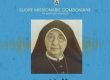
In the late 1870s, the Pie Madri della Nigrizia reached significant milestones, including their foundational journey to Africa. Comboni’s episcopal consecration and the sisters’ courageous spirit propelled the mission forward despite challenges.
July 2, 1877 marked a pivotal moment as Daniele Comboni was appointed the first Bishop of Central Africa. His consecration in Rome on August 12 was a joyous occasion for the entire Institute. Comboni insisted that representatives from both the male and female houses be present, so Mother General Maria Bolezzoli and her assistant Teresa Grigolini joined the celebrations.
Back in Verona, the novitiate buzzed with excitement. Not only were new novices preparing for profession, but the first departure for Africa was imminent. Comboni chose five sisters for this historic mission: Teresa Grigolini (superior), Maria Caspi, Concetta Corsi, Giuseppa Scandola, and Vittoria Paganini.
The journey tested the young missionaries’ mettle. From Berber, they witnessed harrowing scenes of famine and disease along the Nile. Comboni marveled that his sisters, far from cowering in fear, bolstered his own courage. Arriving in El Obeid in February 1879, the Pie Madri were warmly welcomed by the African teachers trained in Verona, who rejoiced at the familiar dialect and cordiality of the sisters.
Under Sr. Vittoria’s leadership, the community at El Obeid flourished. Her gift for fostering communion bore fruit as Domitilla Bakhita and Fortunata Quasche, two African teachers, asked to join the congregation. The second novitiate of the Pie Madri opened there in 1879, with Sr. Vittoria serving as novice mistress.
Meanwhile, Comboni navigated the sudden withdrawal of the Sisters of St. Joseph from the Vicariate. He instructed Sr. Teresa and Sr. Giuseppa to return to Khartoum until reinforcements could arrive from Italy. Comboni’s trust in the Pie Madri was evident. As he wrote to Cardinal Simeoni, “The Institute of the Pie Madri della Nigrizia, founded by me in Verona, possesses by God’s grace all the apostolic spirit needed to work properly in the arduous missions of Central Africa.”
Throughout 1879, new groups of sisters departed for Africa, a testament to the congregation’s growth and missionary zeal. Despite the sorrow of Sr. Vittoria’s cancer diagnosis, the Pie Madri pressed on, sustained by Comboni’s vision and their own courageous faith.
The late 1870s saw the Pie Madri della Nigrizia come of age as a missionary congregation.