In late 1871 and early 1872, decisive events unfolded that would lay the groundwork for the congregation known today as the Comboni Missionary Sisters. Comboni, working closely with the Bishop of Verona, took bold actions to establish a formation house for the Pie Madri della Nigrizia (Pious Mothers of Africa), while also securing the canonical erection of his missionary institute for Africa.
The story picks up on November 21, 1871, at a meeting of the Superior Council of the Opera del Buon Pastore (Work of the Good Shepherd) in Verona. Comboni reported on the progress of his missionary animation across Europe and the promising developments towards founding houses for male and female missionary formation.
A pivotal moment occurred when Comboni was asked what these sisters would be called. After a moment’s reflection, he replied: “Pie Madri della Nigrizia” (Pious Mothers of Africa). This marked the birth of the congregation’s name, even before their first member had arrived.
A few weeks later, on December 8, 1871, Bishop Luigi di Canossa issued the decree canonically establishing the Institute for the Missions of Africa, consecrated to the Most Sacred Heart of Jesus. This male branch was essential for requesting a mission territory, as the Church’s life centers on the Eucharist, requiring the presence of priests.
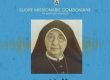
Comboni then turned his efforts to ensuring there would actually be Pie Madri to carry out the mission. He identified Maria Caspi, their firstborn sister, whose story sheds light on Comboni’s freedom of spirit. As an illegitimate child left at a foundling wheel, Maria would have been barred from entering religious life at that time. But for Comboni, the authenticity of her vocation mattered most. On December 31, 1871, he personally accompanied Maria to begin the congregation in Montorio Veronese.
Realizing Montorio’s limitations for novice formation, Comboni soon purchased a house on via Santa Maria in Organo, conveniently close to the male institute and diocesan seminary, allowing professors to assist in training the sisters. On September 14, 1872, the aspirants were introduced into this mother house of the Pie Madri.
In early 1872, Comboni also recruited Maria Pia Galli, a former abbess, as the first novice mistress. While rigorous in formation, Comboni wanted to avoid excessive penances, knowing the future hardships awaiting in Africa.
Before departing for his mission, Comboni ensured the budding congregation was well-established. On May 26, 1872, he was appointed Pro-Vicar Apostolic of Central Africa, with Khartoum as his base for the vast, yet-undefined vicariate. The stage was set for the Pie Madri to play an integral role in Comboni’s unfolding missionary vision.
The intrepid actions of Comboni in late 1871 and early 1872 catalyzed the birth of the Pie Madri della Nigrizia, overcoming societal constraints to gather the first sisters.