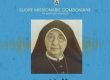
In the mid-1870s, as Comboni journeyed to establish the Vicariate of Central Africa, the fledgling congregation of the Pie Madri della Nigrizia persevered in their spiritual and practical formation in Verona. Their faithful service during this time laid a solid foundation for their future missionary witness.
With Comboni now in Africa, the Pie Madri continued their religious and missionary training under the guidance of Maria Pia Galli, their first novice mistress. The sisters dedicated themselves to prayer, study, and acquiring practical skills to prepare for the challenges that awaited them.
The novitiate’s proximity to the male missionary institute and diocesan seminary proved a great asset. Professors readily collaborated in instructing the sisters, ensuring a well-rounded formation. This arrangement, wisely orchestrated by Comboni before his departure, provided stability in his absence.
As the congregation slowly grew, the sisters’ zeal for mission was already evident. They actively supported Comboni’s work through prayer and sacrifice, eagerly awaiting the day they could join him in the field. Their humble service in Verona during these years formed the bedrock of the missionary spirit that would define the Pie Madri.
Comboni, meanwhile, reached Cairo in early 1873 to assemble personnel for the daunting task of establishing the Vicariate of Central Africa. He carefully selected missionaries to accompany him to the seat of the vicariate in Khartoum, Sudan. The exact boundaries of this vast territory were yet to be defined, a challenge Comboni would tackle alongside his many other responsibilities.
Back in Verona, the Pie Madri received news of Comboni’s progress with great interest and intercessory support. Each update from Africa stirred their missionary hearts and solidified their commitment to the cause for which their founder had dedicated his life.
As Comboni labored to plant the Church in the heart of Africa, the Pie Madri were quietly growing in number and virtue in Verona. Their faithful perseverance during this chapter, hidden from the public eye, was an essential component of Comboni’s overall missionary vision and a sign of great hope for the future.
The steadfast dedication of the Pie Madri in Verona while Comboni toiled to establish the African mission demonstrates the vital role they played from the congregation’s earliest days. Through prayer, study, and humble service, the sisters nurtured the missionary charism Comboni had entrusted to them, preparing for the day they would take their place on the front lines of evangelization. Their hidden years of formation were an indispensable link in the chain of events that would lead to the flourishing of Comboni’s missionary dream.